
Ask the Experts: Why Do Sheepskin Have Color Variations?


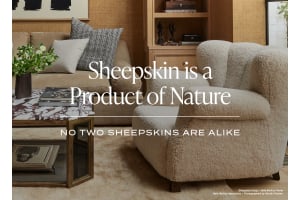
Sheepskin is a natural, organic material with inherent variations. It is not a human-made synthetic product. Like marble and wood, its beauty lies in its individuality. Each sheepskin tells its own story and provides a unique visual and tactile experience.
|
No two sheepskins have the exact same fleece. You may notice differences in the texture, thickness and density of the wool fibers within a single hide and from hide to hide. This diversity is what makes sheepskin so special. Every plush sheepskin has an inviting touch that is distinct. These variations in the fleece influence how the fibers absorb dye. |
 |
|
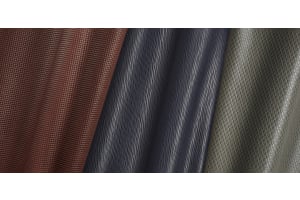
It is common to see color variations within a single sheepskin, as well as within the dyelots, due to the dye penetration and saturation differences in each hide. Color variations occur within a single hide because some areas may absorb more dye than other areas. The same is true for full dyelots. Even though a batch of sheepskin undergo the same dyeing process at the same time, each hide absorbs dye differently, which may result in color nuances between hides within the same dyelot. |
 |
|
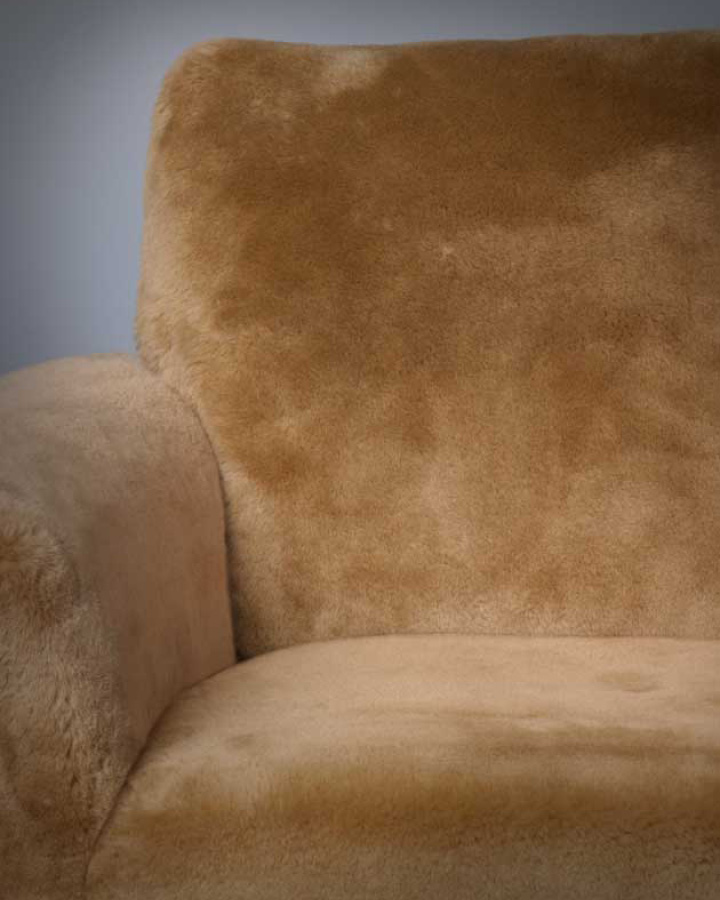
Some colors are prone to variation more than others. For example, darker, more saturated colors can be particularly challenging to match. Furthermore, shading also changes based on the direction of the fleece. As you rub your hand over a sheepskin, you may see lighter and darker areas appear as the direction of the wool fibers change. This interplay of color and light adds to the richness, depth and beauty of sheepskin. |
|
Authentic sheepskin is known for its alluring softness and luxurious comfort. Variations in color and texture are part of its irresistible charm. Break from the conventional and embrace the extraordinary with natural sheepskin.
Have a leather topic you would like us to address as part of our “Ask The Experts” series?
Send your questions to [email protected].